


A few months ago, in my fifth month of pregnancy, I joined a friend on a mountain hike near her home. She’s finishing her PhD in data processing, whip-smart, ambitious, and always fascinating to listen to.
On the way up, she did most of the talking (thankfully, because I was out of breath! 😊). Over lunch and cappuccinos at the top, she turned the spotlight on me and asked how I was doing.
I told her about the changes happening in my life: my plans to stop working for a while, my excitement about staying home with the baby, and my gratitude that my husband takes such good care of us financially.
I admitted I was actually looking forward to stepping away from my job—at least for now—to focus fully on being a wife and mom.
Her reaction was sweet and caring. She celebrated with me, but then her brow furrowed.
“But what about your financial independence? What if one day you want to leave? What about your security?”
She advised me to keep working, just in case. I know she loves me and meant well—but I won’t be taking her advice. Why? Because I’ve learned something crucial: you have to “watch your coffee”.
What Does “Watch Your Coffee” Mean?
It’s a quirky little phrase I borrowed from Jim Rohn, one of those old-school personal development speakers. He’s so much fun, I love listening to him when I need a dose of great attitude.
In a seminar, he told a story how he held up a cup of coffee and asked a group of kids what would happen if someone dropped sugar into it.
“Nothing,” they said.
“Correct,” he smiled.
Then he asked what would happen if someone—accidentally, even with the best intentions—dropped poison into his coffee.
“You’d die!” the kids shouted.
“Correct,” he laughed.
Here’s the clip, if you want to hear the story first hand: https://www.youtube.com/shorts/ChP9Etcm4Ls
The lesson?
It doesn’t matter who gives you the “poison” (bad advice)—it will still hurt you.
Rohn was talking about money, but I apply it to marriage and relationships: even the most loving, well-meaning friends can hand you advice that’s simply not good for you in that moment.
That’s why I’m telling you: watch your coffee!
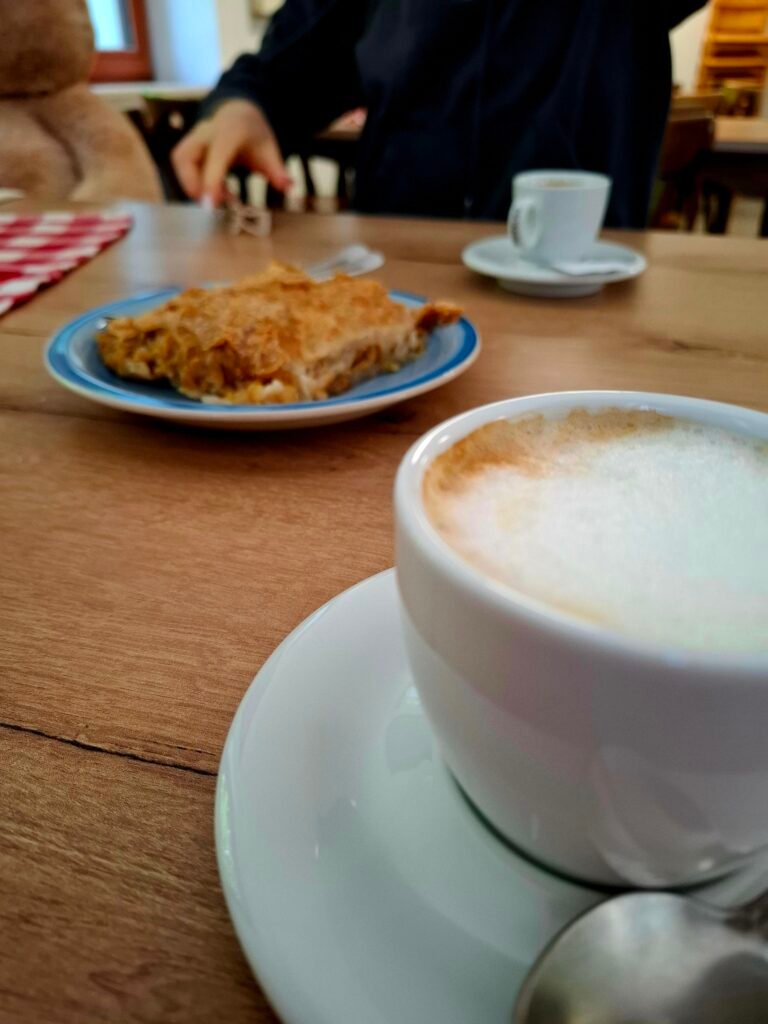
When Friends Hand You “Poison” Advice
In today’s world, we’re drowning in advice—podcasts, books, TikToks, Instagram reels, girlfriends over coffee.
And sometimes, even our closest friends will—without realizing and with best intentions—say things that can damage our relationships and marriages.
Think about it: how often do we sit down with girlfriends and slide into husband-bashing?
“He’s lazy.”
“He never listens.”
“He’s immature.”
And of course, our friends—because they are our friends and love us—usually take our side.
They validate our frustrations.
They amplify his mistakes.
They make us feel right, righteous, and maybe even a little smug.
Let’s be honest: how many times have you listened to a friend, and even if you weren’t completely convinced she was right, you still hyped her up, nodded along, and validated her view? The problem? It reinforces negative feelings instead of helping us grow. Before you know it, you start seeing your partner only through a lens of flaws and fears.

The Culture Around Us: How Media Shapes Our View of Men and Marriage
It doesn’t help that society is practically saturated with negative portrayals of men in media.
Flip on a sitcom:
The Simpsons: Homer is lazy and clueless, while Marge is the responsible one.
Family Guy: Peter is reckless and immature, Lois is patient, grounded, and often the voice of reason.
Modern Family: Phil is goofy, while Claire is sharp and practical.
According to Jim: Jim is the “average lazy guy,” and Cheryl is the patient, smart wife.
And the list goes on and on.
Notice the pattern?
Wives are competent and put together, husbands are the punchline.
And this pattern isn’t just on TV—it carries over into modern pop music, shaping how women are encouraged to see men and relationships.
If you trace women’s anthems from the late 20th century to now, you can see a shift: what began as empowerment and survival slowly turned into resentment, mockery, and rejection of men altogether.

Let’s take a quick glance at it.
Back in the late 70s, Gloria Gaynor’s I Will Survive was a rallying cry for women who had been hurt: it encouraged resilience and hope without tearing down men.
By the mid-80s, Sisters Are Doin’ It for Themselves (Eurythmics & Aretha Franklin) celebrated women stepping into leadership and independence—bold and empowering, yet still not hostile toward men.
By the 2000s, the tone shifted:
- Beyoncé’s Irreplaceable waved a cheating partner out the door,
- Pink’s So What mocked an ex with, “I’m alright, I’m just fine, and you’re a tool,”
- and today’s artists like Miley Cyrus (Flowers: “I can love me better than you can”) and Taylor Swift celebrate independence while portraying men as unnecessary or untrustworthy.
The progression is striking:
Yesterday’s message was “Women can survive without men, even if it’s hard.”
Today’s message is “Women are better off without men, because they are inferior, unreliable and not to be trusted.”
And just to put this into perspective: in 1960, Etta James was singing I Just Wanna Make Love to You, where she longed to care for her man:
“All I want to do is wash your clothes… All I want you to do is make your bread, just to make sure that you’re well fed.”
(I often used to put on this hit while I was sipping on a glass of wine and making dinner for my husband. Needless to say, he loved it. 😊)
Fast-forward less than 60 years, and we have J. Lo declaring:
“Ain’t gonna be cooking all day, I ain’t your mama! I ain’t gonna do your laundry, I ain’t your mama!”
That’s a cultural transformation — and it happened in a single lifetime.
Why It’s Dangerous
Here’s the catch: this constant drip of negativity becomes a self-fulfilling prophecy.
If men are constantly told they’re useless, lazy, or stupid—eventually, they may stop trying.
If women are constantly told “all men are the problem,” we start magnifying small flaws and treating them as fatal.
Neither of these makes for a loving, lasting relationship.
A Different Picture
So instead of belting out lyrics about how we don’t need men—or casually tearing down our husbands over lattes—what if we tried something different?
What if we poured a glass of wine, lit some candles, put on some Etta Jones and sing about wanting to take good care of our husband?

What if we chose to see his strengths more than his weaknesses? Because here’s the truth: when you respect, admire, and appreciate your husband, you don’t just make him happier—you create a relationship that makes you happier, too.
Final Sip: Protecting Your Marriage from Negative Influences
So, my friends: be very careful whose advice you let into your marriage. Be critical. Think twice. Evaluate.
Even the kindest, smartest friend—like my good-meaning friend on our mountain hike—or your favorite sitcom or pop singer can hand you advice that seems sweet but is actually “poisonous” or simply really bad for your relationship.
As Jim Rohn put it, in his wonderfully quirky way:
“Watch your coffee.”
Sip only what nourishes you and your relationship.
✨Try It Tonight: Before you drift off to sleep, think about one “poisonous” thought you’ve had about your partner today.
Literally rewrite it in your mind—or on paper—as a note of love, respect, or gratitude.
Sip your mental coffee carefully.